







Search Results for: Rapid-Cooling Hand Brew

How do you use the Paragon小金球 for pour-over coffee? An analysis of the actual effects and key operating points of the rapid-cooling aroma-locking method.
In the past two years, a coffee processing method called "rapid chilling to lock in aroma" has become popular in competitions and among enthusiasts, shared and promoted by Sasa Sestic, with the core tool being the Paragon chiller ball. It works by rapidly lowering the temperature of the coffee liquid to slow down aroma volatilization, theoretically preserving more flavor. But how effective is it really? Why do most competitors only rapid-chill the first portion of the coffee liquid? Front Street conducted a comparative test using a pour-over of Huakui and a Strawberry Candy espresso, and found that the aroma difference in the pour-over group was not obvious, while the espresso group showed mouthfeel differences due to temperature changes. This article will break down in detail the principle of rapid chilling to lock in aroma, the results of the comparative experiment, and the two major reasons for only chilling the first half, helping coffee enthusiasts view this technique rationally. [more…]
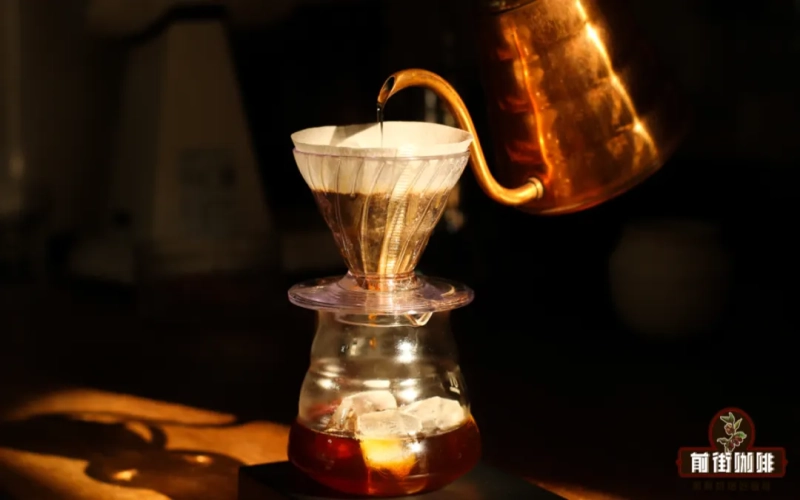
A Practical Guide to Making Iced Pour-Over Coffee at Home: Ice-to-Hot-Water Ratios, Grind Size Adjustments, and Key Stirring Techniques
Iced pour-over is not simply pouring hot coffee over ice; rather, it is an extraction method in which ice rapidly cools and moderately dilutes the coffee liquid, also known as "flash-chilled pour-over." To make a cup that is both refreshingly cold and rich in aromatic layers, you need to readjust parameters such as coffee dose, water volume, ice amount, grind size, water temperature, and timing. This article focuses on ice usage and application, the coffee-to-ice-to-water ratio, grind size adjustments, and two operational approaches—small-stream分段 and the stirring method—to help coffee enthusiasts make a balanced iced pour-over at home. It also provides specific references based on Front Street Coffee's commonly used parameters. [more…]

Complete Brewing Parameters Analysis of Ice Dosage for Iced Pour-Over Coffee and the Japanese Rapid Cooling Method
When making iced pour-over coffee, the choice and amount of ice are often the questions enthusiasts ask about most. The core role ice plays in iced pour-over is rapid cooling, not aroma preservation or insulation. Because melted ice dilutes the coffee's strength, its density and quantity directly determine the finished cup's taste and drinking experience. This article will go through the considerations for choosing ice, recommended amounts, and the complete process and specific parameters of Japanese-style rapid-chill iced pour-over, one by one. The article also uses Front Street Coffee's Geisha Village Estate Red Label Geisha as an example to share a practical approach combining high-concentration extraction with a precise ice ratio, helping you brew a cup of refreshing, full-bodied, flavor-forward iced pour-over coffee at home. [more…]
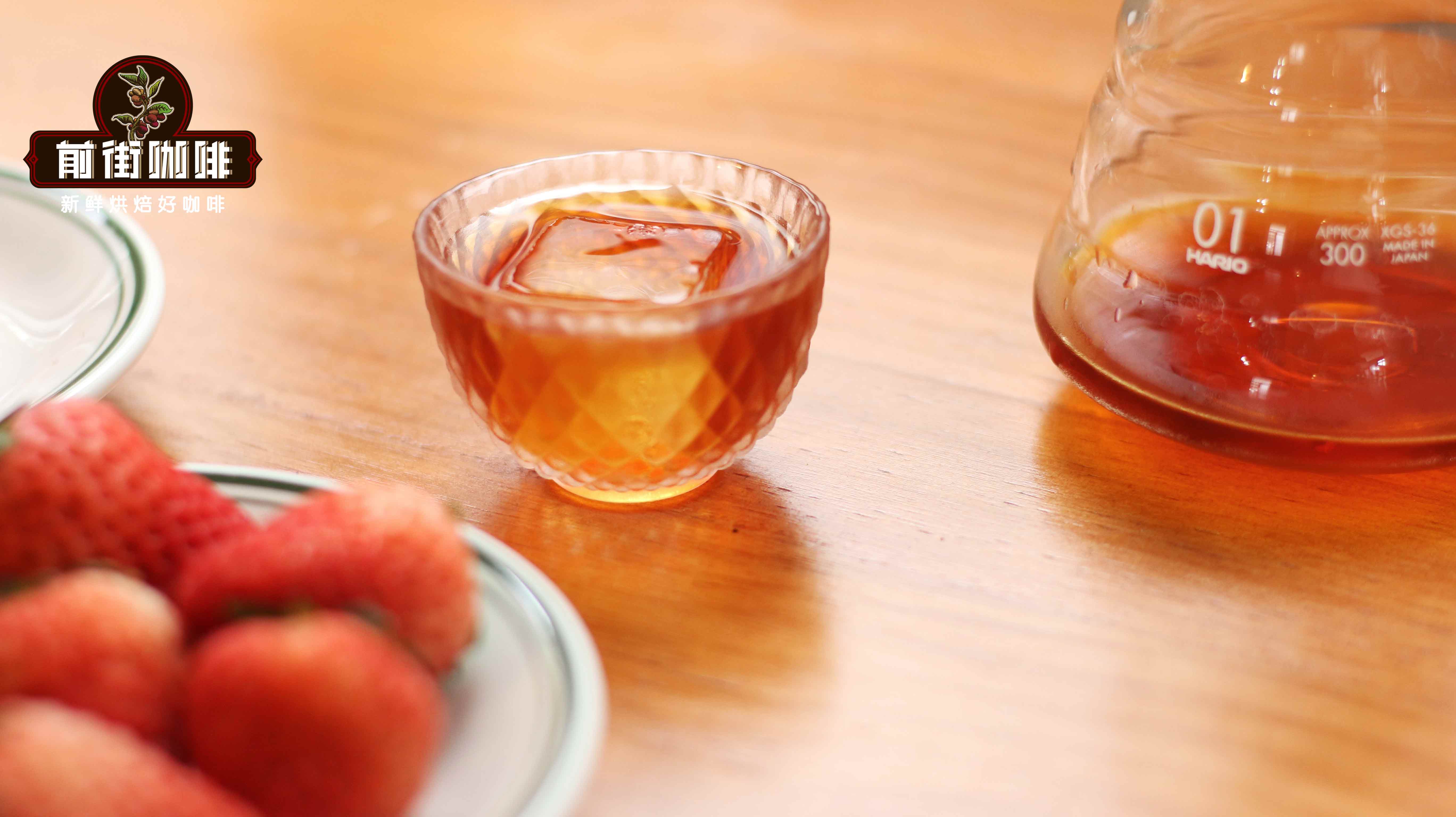
Drip Bag Coffee Can Also Make Iced Drinks: A Detailed Guide to Simple Home Brewing Parameters for Hand-Poured Iced Coffee and Cold Brew Coffee
On a scorching summer day, a glass of iced coffee always brings a refreshing, invigorating coolness. But for coffee lovers without professional equipment, is it still possible to easily make delicious iced coffee? The answer is yes. This article will use the most convenient drip bag coffee as a starting point to explain in detail two home methods for making iced coffee—iced pour-over coffee and cold brew coffee. From bean selection and parameter adjustment to specific operating steps, Front Street will break down the key points one by one, including core parameters such as water temperature, coffee-to-water-to-ice ratio, and grind size, as well as how to compensate for the limitation that drip bag coffee cannot adjust grind size by changing the brewing strategy. Whether you want to quickly get a refreshing glass of iced pour-over or are willing to spend time waiting for a pot of rich cold brew, you can find practical operating guidance in this article. [more…]
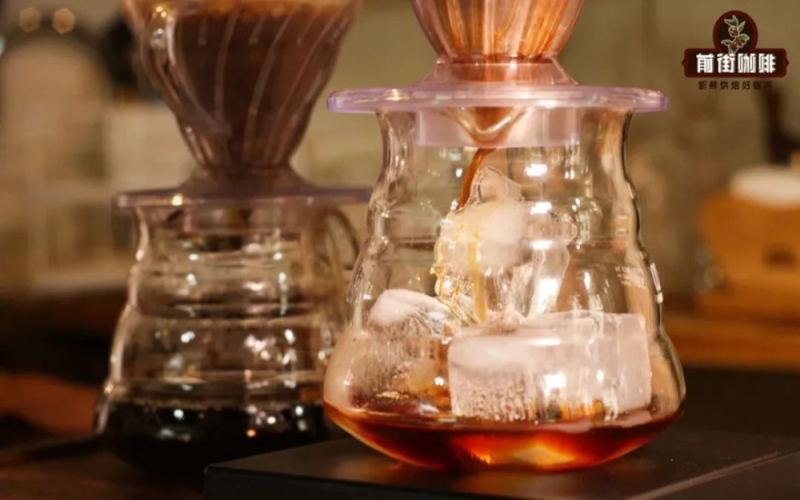
How to Make Delicious Iced Pour-Over Coffee: Four Practical Brewing Methods and Detailed Parameters
When the weather turns hot, iced coffee becomes the first choice for many people. Iced pour-over preserves the flavor layers of pour-over coffee while adding a refreshing chill, but making a good iced pour-over isn't as simple as adding ice cubes to hot pour-over. Melting ice dilutes the coffee's strength, and directly applying hot-brew parameters often results in a weak glass of iced coffee water. This article centers on the two cores of extraction yield and strength, and compiles four zero-threshold iced pour-over methods: the high-strength high-extraction method, the ice-rinsing method, the stirring method, and the ice-bath cooling method. Each method comes with specific parameters and operating steps using a medium-light roast Front Street Coffee Kafa Forest as an example, helping you easily make a full-flavored, sweet-and-sour balanced iced pour-over at home. [more…]
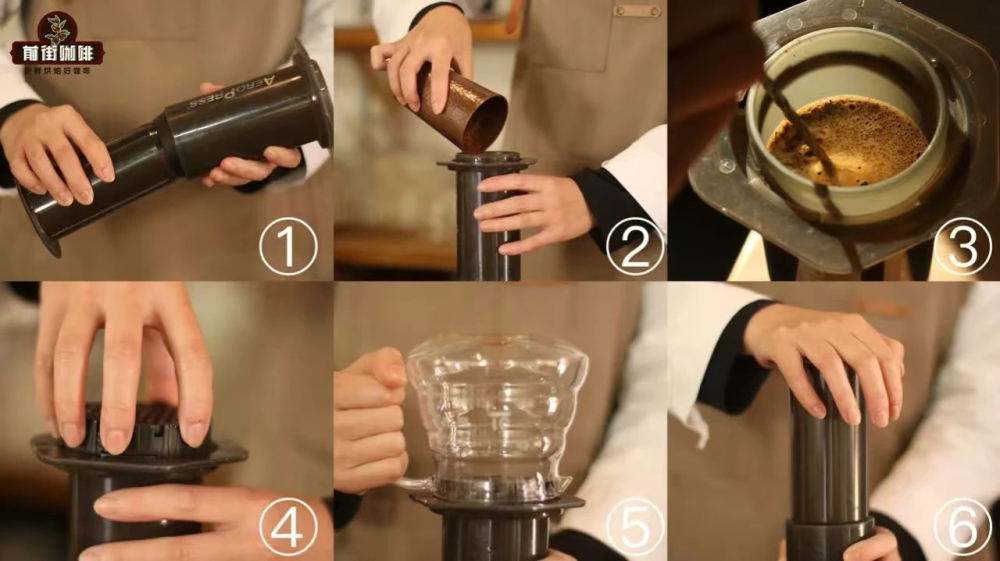
Illustrated Guide to Brewing Freshly Ground Coffee | How to Brew Freshly Roasted Coffee Beans? Flavor and Taste Comparison of Espresso, Pour-Over, Moka Pot, Siphon, French Press, Ice Drip, and Cold Brew Coffee
Front Street Coffee has recently welcomed many new faces to its stores. People are no longer just drinking coffee—they're also learning different brewing methods. The simplest brewing method is none other than pour-over coffee. Compared to the expensive and space-consuming espresso machine, a simple [more…]
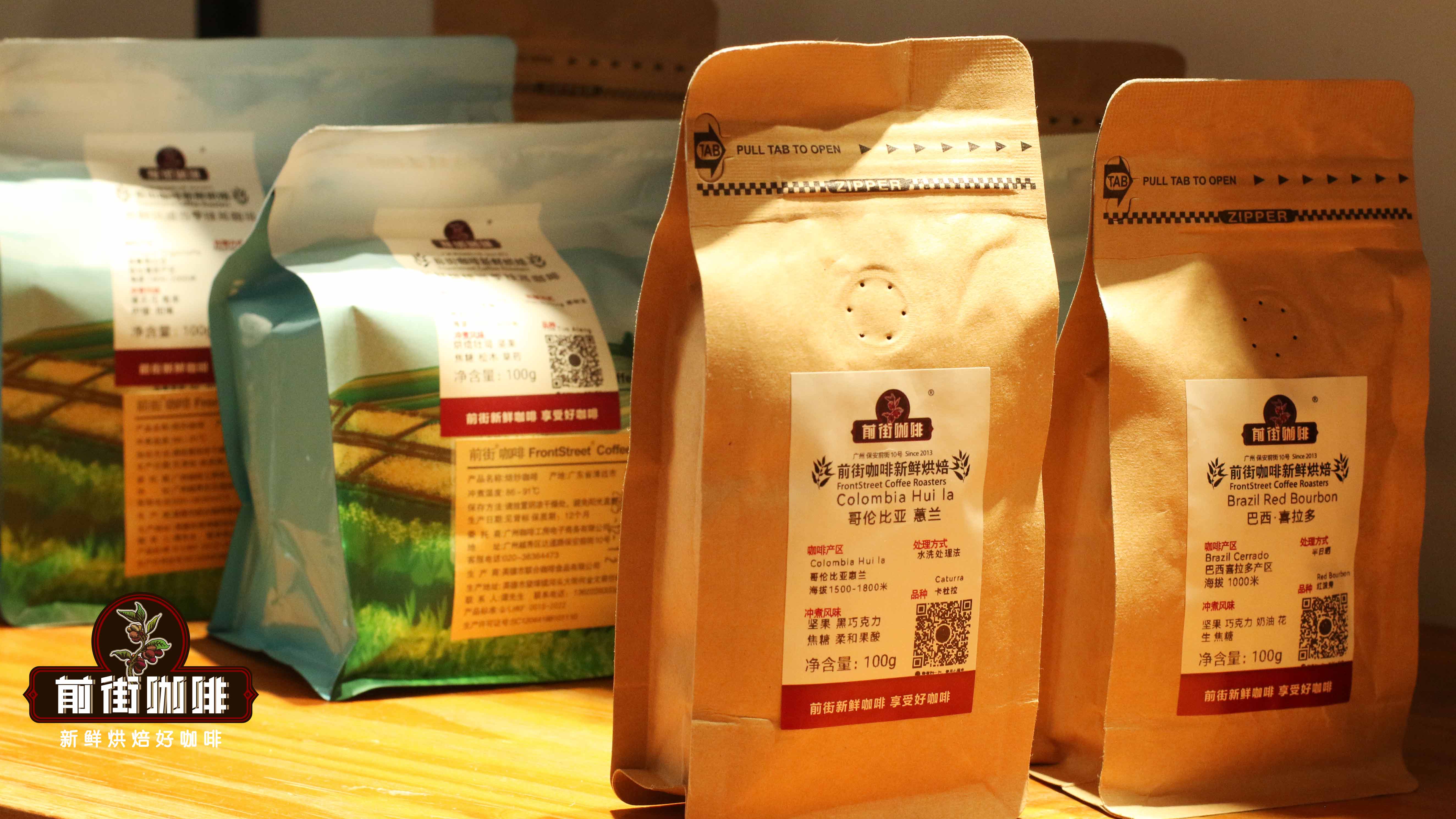
Medium-Dark Roast Coffee Beans | Which Hand-Brew Coffee Tastes Less Sour: Yirgacheffe, Brazil, or Colombia? 6 Cocoa-Flavored Specialty Single-Origin Hand-Brew Coffee Beans Recommended
Coffees from different regions, processing methods, varieties, and roast levels present different flavor profiles, so there is a suitable option for many people, whether they love acidity or not. Many people think that acidic coffee tastes rather sharp, so they start looking for high-quality coffee beans with a non-acidic taste. As consumers, then, what can we [more…]
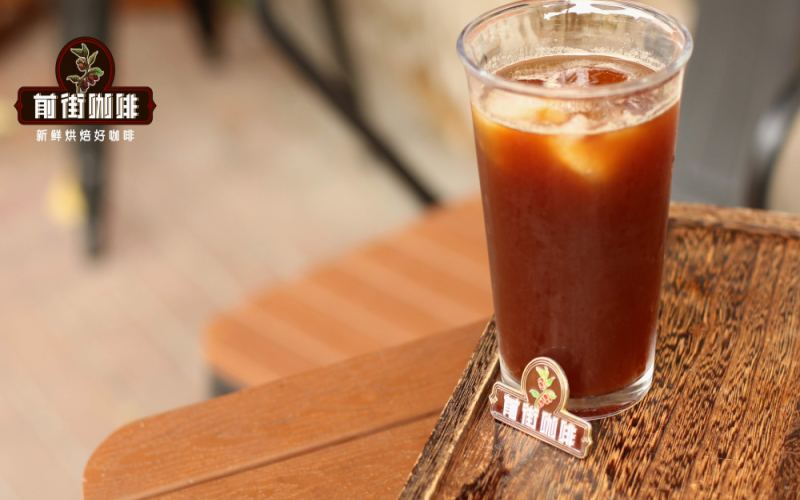
Cold Brew Coffee Specialty Bean Recommendations | What Is Cold Brew Coffee? The Extraction Principle Differences Between Cold Brew Coffee, Iced Americano, and Hand-Brewed Iced Coffee
For more specialty coffee knowledge, please follow our WeChat official account: Front Street Coffee (FrontStreet Coffee). Iced Americano and cold brew coffee can be said to be the two best-selling items in coffee shops during summer, but there is a very big difference in price—cold brew coffee is usually twice the price of an iced Americano! Similarly, [more…]

Easy Iced Coffee Recipe | Can Cold Brew Coffee Be Made with Drip Coffee Bags? What to Watch Out for When Making Hand-Pour Iced Coffee with Drip Coffee Bags?
For more specialty coffee knowledge, please follow: Front Street Coffee (Frontsteet Coffee) Scorching summer days, summer days scorching. For coffee lovers, the ritual sense of midsummer often originates from a refreshing cup of iced coffee, so recently Front Street has been sharing various iced coffee recipes, even [more…]
The Complete Guide to Pour-Over Coffee: Water Temperature, Grind Size, Coffee-to-Water Ratio, Five Brewing Methods, and Bean Selection Tips
The charm of pour-over coffee lies in the ritual of pouring water by hand, but many people can never reproduce the taste of a coffee shop at home, and the problem often comes down to four variables: water temperature, grind size, coffee-to-water ratio, and pouring technique. In this article, Front Street Coffee takes a practical approach and systematically explains the water temperature ranges for light-to-medium and medium-dark roasted beans, a grinding standard based on an 80% pass rate through a No. 20 sieve, and a recommended 1:15 coffee-to-water ratio. The article also breaks down in detail five pour-over methods: the three-pour method, the European-American stir-and-bloom method, the Japanese drip method, the single-pour method, and the volcanic pour, while offering actionable adjustment methods for blooming and degassing, pouring rhythm, and the causes of failed extraction, helping coffee lovers consistently reproduce a cup of good coffee with clear flavor. [more…]

High-Value Specialty Hand-Brewed Coffee Beans | How to Brew Single-Origin Beans as Hand-Drip Black Coffee with High Sweetness? Where Does the Sweet Aroma of Hand-Brewed Coffee Beans Come From?
To some people, black coffee is bitter; to others, it's sour. But if you hear someone say, "Wow, this cup of coffee is so sweet!" you'd probably think to yourself, "How could black coffee possibly be sweet?" As Front Street has explained in the article analyzing the chemical composition of green coffee beans, the sucrose in green coffee beans, [more…]
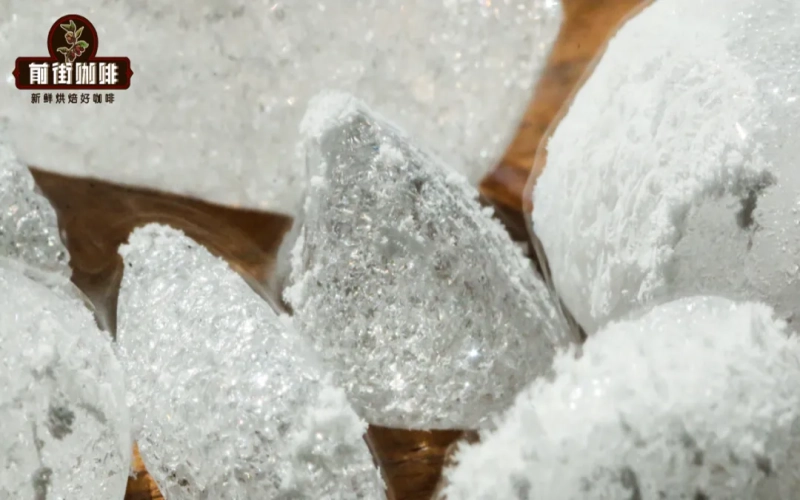
Is It Feasible to Use Dry Ice Instead of Ice Cubes for Iced Pour-Over? A Comprehensive Analysis of Cooling Methods for Pour-Over Coffee
Iced pour-over coffee needs rapid cooling, but ordinary ice cubes melt and dilute the coffee's strength. Some friends suggested using non-melting stainless steel ice cubes, but that attempt failed; then someone else recommended dry ice, which cools quickly and doesn't cause dilution. Dry ice can indeed chill coffee rapidly without turning into water, but when it sublimates it releases carbon dioxide, which dissolves into the coffee and turns a cup of iced pour-over into carbonated coffee—essentially deviating from what's wanted. This article provides a detailed analysis of dry ice's physical properties, its everyday uses, and why it's unsuitable for making pour-over coffee, along with Front Street Coffee's key points from their dry ice experiments and a recommended bean list. [more…]
Why Do Espresso and Pour-Over Coffee Beans Have Different Resting Periods? Analyzing Degassing Time Differences from Roast Level and Extraction Method
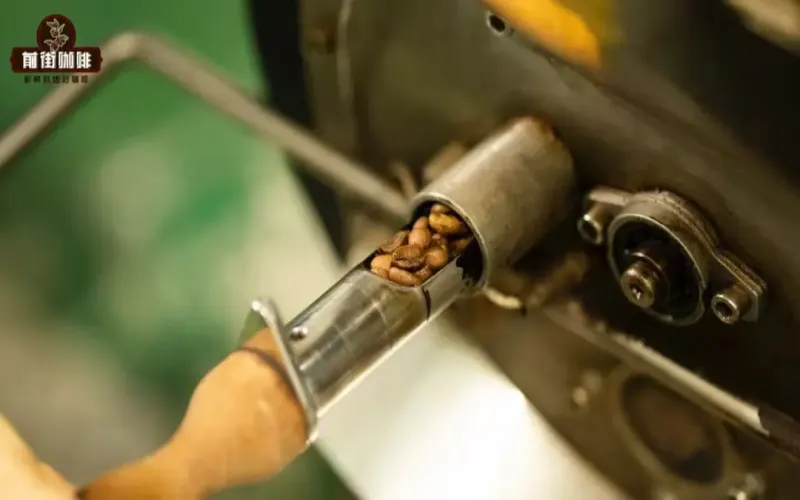
Should you brew coffee beans immediately after buying them? Why can filter coffee beans be used after resting for three to five days, while espresso beans need to wait a few more days? Behind this are multiple factors involving carbon dioxide release, roast level, and extraction method. This article starts with the basic principles of the resting period, then explains one by one the two main reasons espresso coffee beans need a longer resting time: first, espresso beans are generally roasted darker, so they accumulate more carbon dioxide inside; second, espresso uses pressure extraction, with an extremely fine grind and very short time, so insufficient degassing will noticeably amplify its interference with the extraction result. The article also combines specific beans such as Front Street Coffee Huakui to give resting recommendations for different uses, helping you brew consistently delicious coffee at home. [more…]

How to brew drip bag coffee so it tastes great? Master the water temperature and amount, and easily brew a flavor close to pour-over
Drip bags have become increasingly popular in recent years. They are essentially a patented filter-brew coffee invention by the Japanese, sealing coffee grounds in a filter bag with two side flaps that hang over the rim of a cup. Once brewed, they are discarded, delivering a drip experience close to pour-over anytime, anywhere. Although the design is minimalist, Front Street Coffee believes that a few small tips are still worth noting if you want to brew a good-tasting cup. This article starts with the structure of the drip bag, explains how it differs from instant coffee, and then demonstrates a minimalist brewing method covering water temperature, water volume, and staged pouring, helping you consistently brew a clean, smooth cup of black coffee in the office or on the go. [more…]
Hand Brew vs. Cold Brew: How Extraction Temperature Affects Flavor and Bean Selection
Why do the flavors of the same coffee beans differ so dramatically when brewed as pour-over versus cold brew? From the perspective of Front Street, this article systematically sorts out the core differences between high-temperature pour-over and low-temperature cold brew in terms of extraction principles, flavor expression, and suitable bean types. The article covers a comparative tasting of three methods—hot pour-over, iced pour-over, and cold brew—analyzes the effect of water temperature on the dissolution sequence of acids, sweetness, bitterness, and other substances in coffee, and provides recommendations for coffee beans suited to both brewing methods, including specific Front Street products such as Guodingding, Huahudie, Strawberry Candy, and Huakui, helping coffee enthusiasts easily make their ideal cup at home. [more…]
A Guide to Making Cold Brew Coffee at Home | What Are the Key Points in Making Cold Brew Coffee? Recommendations for High-Value Hand-Brewed Coffee Beans Suitable for Cold Brew
For more specialty coffee knowledge and sharing, please follow our WeChat official account: FrontStreet Coffee. Those who frequently read Front Street articles know that in addition to being extracted with hot water, coffee can also be made with cold water. Coffee made with cold water is called "cold brew coffee," [more…]

How to Brew Drip Bag Coffee for the Best Taste? The Correct Pour-Over Method for Filter Drip Bags, an Analysis of Front Street Coffee's House Blend Flavor, and Answers on Reusing the Bag
For busy office workers who are always short on time, drip bag coffee is a compromise that balances convenience and flavor. It seals ground coffee inside a filter bag with ears; all you need is hot water and a cup to complete a pour-over extraction, saving you the series of equipment required for hand-brewing. However, how exactly to brew a drip bag, how much water to use, how hot the water should be, and whether it can be brewed repeatedly are all keys that affect the taste in the cup. This article starts with the structural principles of drip bags, gradually demonstrates the brewing steps, and uses Front Street Strawberry Candy Drip Bag as an example to illustrate flavor performance, while sharing the effects of freshness, water temperature, and water flow on extraction, helping you consistently brew a cup of layered black coffee in the office or at home. [more…]
The Complete Guide to Home Coffee Brewing: A Detailed Explanation of Espresso, Pour-Over, Siphon, Moka Pot, and Other Common Methods
Want to easily make a good cup of coffee at home, but don't know which brewing device to start with? Front Street Coffee has recently welcomed quite a few new customers who are no longer satisfied with simply drinking coffee, but instead want to master different extraction methods. This article systematically sorts out commonly used home coffee brewing methods, covering espresso, pour-over single-origin, drip bags, siphon, moka pot, cold drip, AeroPress, French press, and the Clever Cup, along with equipment selection, operating points, and flavor characteristics. It also introduces the specific flavor performance of several of Front Street's espresso blends, helping coffee lovers, on the basis of understanding the principles, find a brewing solution that suits their own taste and pace. [more…]

Where do the floral aromas and fruity acidity of Kenyan specialty coffee come from? Which extraction methods and brewing recipes suit it?
Kenyan coffee is renowned for its bright, elevated fruit acidity and full, substantial berry mouthfeel, making it one of the representative profiles of acidity-driven style in specialty coffee. Its flavor formation is inseparable from the SL-28 and SL-34 varieties, as well as the distinctive double-fermentation washed (K72) process. This article will start from the terroir of the origin, the background of the varieties, and the processing method flow, to analyze the floral and berry notes of Kenyan coffee, and provide extraction approaches such as ice hand pour, ice drip, and cold brew that are suitable for showcasing its acidity, while retaining Front Street Coffee's specific brewing parameters and product recommendations for coffee enthusiasts' reference. [more…]

Kenyan Coffee Bean Flavor Analysis and Detailed Guide to Three Cold Drink Methods: Ice Hand Pour, Ice Drip, and Cold Brew
Kenyan coffee is famous for its bright acidity and berry flavors, which are inseparable from its unique varietal genetics and processing methods. The Bourbon lineage cultivated in the early twentieth century, plus the two disease-resistant, high-yield varieties SL-28 and SL-34, nurtured a distinctive acidic aroma in Kenya's high-concentration phosphoric acid soil. Kenya's signature double washing method (K72), through two fermentations and repeated washing, further amplifies the bean's cleanliness and acetic acid concentration. Because of its bright acidity and elevated flavors, Kenyan beans are especially suitable for making iced coffee. This article will systematically sort out the varietal origins and washing process of Kenyan coffee, and share Front Street Coffee's specific parameters and operational details for three methods: iced pour-over, iced drip, and cold brew. [more…]